
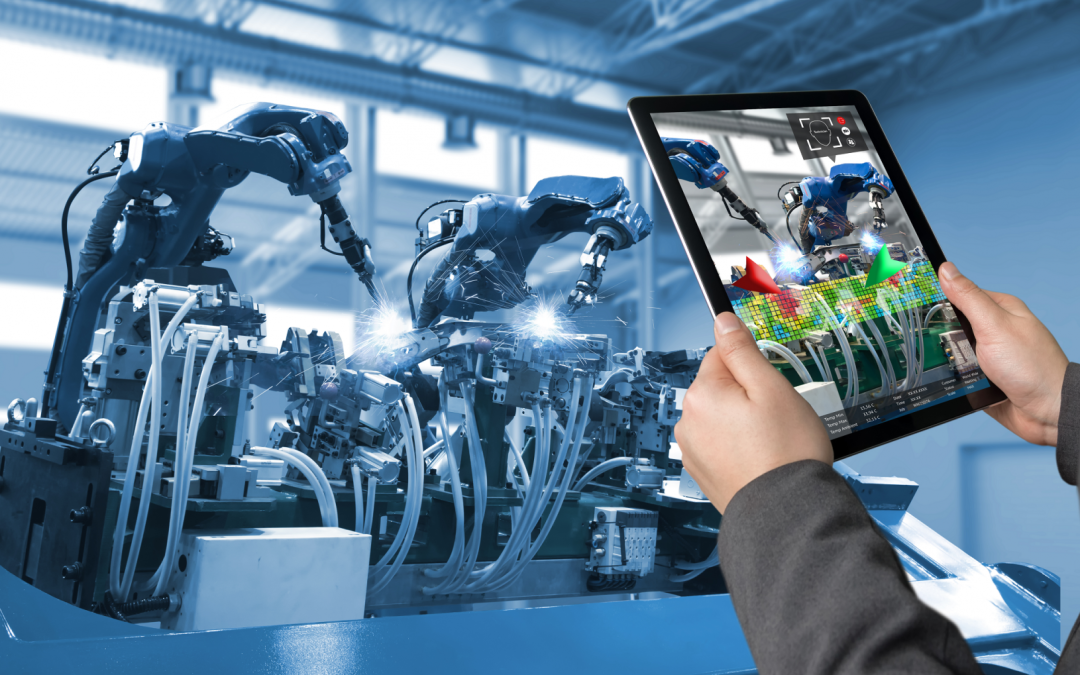
Digital twins have long been associated with manufacturing, where virtual models help companies monitor equipment, improve production, and reduce operational costs. Today, this innovative technology has expanded far beyond factory floors. Businesses, governments, healthcare providers, and service industries are embracing digital twins to make smarter decisions, predict future outcomes, and deliver better experiences. As digital transformation continues, virtual replicas of physical systems are becoming valuable tools across many everyday industries.
Transforming Healthcare Through Virtual Models
Healthcare organizations are increasingly using digital twins to improve patient care and hospital management. A digital twin can represent medical equipment, hospital facilities, or even an individual patient’s health profile by combining data from wearable devices, medical records, and diagnostic tests.
Doctors can analyze these digital models to predict treatment outcomes and personalize care plans. Hospitals can also monitor the performance of expensive medical equipment and schedule maintenance before failures occur. This proactive approach reduces downtime while improving patient safety and operational efficiency.
Interestingly, as people become more comfortable using online government services such as mee intiki mee bhoomi, they are also becoming familiar with the broader concept of digital platforms that simplify complex processes.
Smarter Cities with Digital Twins
Urban planners are adopting digital twins to create more efficient and sustainable cities. By collecting data from traffic systems, public transportation, weather stations, and utility networks, city administrators can build virtual models that reflect real time conditions.
These models allow officials to test infrastructure improvements before implementing them in the real world. They can identify traffic bottlenecks, optimize public transport routes, and improve emergency response planning. Digital twins also help cities manage water supplies, reduce energy consumption, and monitor environmental conditions more effectively.
As urban populations continue to grow, digital twins will play an increasingly important role in making cities safer, cleaner, and more efficient.
Improving Real Estate and Property Management
The real estate industry has discovered significant value in digital twin technology. Property developers and facility managers can create detailed virtual replicas of residential and commercial buildings. These models help monitor energy usage, heating and cooling systems, lighting performance, and structural health.
Building owners can identify maintenance needs before they become costly repairs while providing tenants with more comfortable living and working environments. Potential buyers can also explore digital versions of properties remotely, making purchasing decisions easier and more informed.
Digital twins also assist architects during renovation projects by allowing them to test design modifications virtually before construction begins.
Revolutionizing Agriculture
Agriculture is another sector experiencing major benefits from digital twin technology. Farmers can create digital models of fields, irrigation systems, machinery, and crop conditions using satellite imagery, sensors, and weather data.
These virtual environments help optimize planting schedules, fertilizer application, irrigation timing, and harvesting decisions. As a result, farmers can increase crop yields while reducing waste and conserving natural resources.
Modern agricultural management increasingly depends on accurate data, allowing digital twins to support both productivity and environmental sustainability.
Supporting Financial and Government Services
Financial institutions and public organizations are beginning to use digital twins to simulate customer behavior, evaluate service performance, and improve administrative efficiency. By analyzing digital representations of workflows, agencies can identify delays, allocate resources more effectively, and improve citizen services.
People already rely on digital government portals such as upbocw in login and mp bhulekh gov in free to access various public services. While these platforms themselves are not digital twins, they demonstrate how digital technologies continue to reshape interactions between governments and citizens. The growing acceptance of online services creates a favorable environment for more advanced technologies like digital twins in public administration.
Retail and Customer Experience
Retail businesses are using digital twins to optimize store layouts, inventory management, and customer experiences. Virtual store models allow retailers to study customer movement, product placement, and purchasing patterns without disrupting daily operations.
Companies can test promotional displays, optimize shelf arrangements, and forecast inventory demand with greater accuracy. Digital twins also support warehouse management by improving logistics, reducing delivery delays, and minimizing stock shortages.
This technology enables retailers to make faster decisions based on reliable data instead of relying solely on historical trends or assumptions.
Looking Ahead
Digital twins are rapidly evolving from specialized industrial tools into practical solutions for nearly every industry. Healthcare, agriculture, real estate, retail, urban planning, and government services are only a few examples of where this technology is creating measurable value.
As artificial intelligence, cloud computing, and the Internet of Things continue to advance, digital twins will become even more intelligent and accessible. Organizations that invest in these virtual models today are positioning themselves to improve efficiency, reduce costs, and respond more effectively to future challenges.
Government initiatives that encourage entrepreneurship, including programs such as laghu udyami yojana, also highlight the growing importance of digital adoption across businesses of every size. As digital innovation becomes increasingly integrated into daily life, digital twins are expected to become one of the defining technologies shaping the future of everyday industries.